



Mαρία Παπαδάκη (Maria Papadaki)
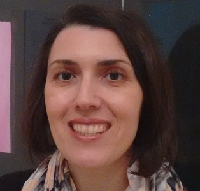
Mαρία Παπαδάκη (Maria Papadaki)
Λέκτορας
Σπουδές στον Ελληνικό Πολιτισμό
Σχολή Ανθρωπιστικών και Κοινωνικών Επιστημών
Τρίτη / Tuesday, 10:30–12:30
-
-
-
Η Δρ. Μαρία Παπαδάκη είναι Λέκτορας στο Ανοικτό Πανεπιστήμιο Κύπρου. Είναι κάτοχος διδακτορικού και μεταπτυχιακού διπλώματος στις Βυζαντινές Σπουδές από το King’s College London και το University of Birmingham, καθώς και πτυχίου Ιστορίας και Αρχαιολογίας από το Εθνικό και Καποδιστριακό Πανεπιστήμιο Αθηνών.
Το ερευνητικό της έργο εστιάζει στην ιστορία, την τοπογραφία και τα οικιστικά πρότυπα της βυζαντινής και μεσαιωνικής Ανατολικής Μεσογείου. Συνδυάζει αρχαιολογικά, ιστορικά και περιβαλλοντικά δεδομένα, αξιοποιώντας ψηφιακές μεθόδους, GIS και βάσεις δεδομένων, καθώς και τεχνικές ψηφιακής τεκμηρίωσης και οπτικοποίησης. Στόχος της έρευνάς της είναι η συσχέτιση, ανάλυση και ερμηνεία των τεκμηρίων, με σκοπό την κατανόηση των κοινωνικών και οικονομικών μεταβολών σε τοπικό και περιφερειακό επίπεδο.
Έχει εργαστεί σε ερευνητικά ιδρύματα στην Ελλάδα και το εξωτερικό, όπως το Laboratory of Geophysics – Satellite Remote Sensing & Archaeoenvironment, Institute for Mediterranean Studies / FORTH, το Max Planck Institute for the Science of Human History στη Γερμανία και το University of Edinburgh στο Ηνωμένο Βασίλειο.
Είχε επίσης πολυετή συνεργασία με το Μουσείο Μπενάκη, τη Γεννάδειο Βιβλιοθήκη και την Αμερικανική Σχολή Κλασικών Σπουδών στην Αθήνα, αναλαμβάνοντας την ψηφιακή τεκμηρίωση και επιμέλεια ιστορικών και αρχαιολογικών συλλογών, τον σχεδιασμό εκθεσιακών και εκπαιδευτικών δράσεων, καθώς και την ανάπτυξη ψηφιακού περιεχομένου για την τεκμηρίωση και παρουσίαση των συλλογών.
Παράλληλα, συμμετείχε σε ψηφιακά ερευνητικά προγράμματα στο Τμήμα Ψηφιακών Ανθρωπιστικών Σπουδών του King’s College London, αναπτύσσοντας βάσεις δεδομένων για την οργάνωση και ανάλυση αρχαιολογικών και ιστορικών δεδομένων και συμβάλλοντας στην ψηφιακή τεκμηρίωση της πολιτιστικής κληρονομιάς.
ΚΥΡΙΕΣ ΕΡΕΥΝΗΤΙΚΕΣ ΠΕΡΙΟΧΕΣ
- Ιστορική γεωγραφία και πρότυπα οικισμών της μεσαιωνικής Ανατολικής Μεσογείου
- GIS, χαρτογραφία και ψηφιακές προσεγγίσεις στη μεσαιωνική ιστορική γεωγραφία και αρχαιολογία
- Ψηφιακή τεκμηρίωση και επιμέλεια της πολιτιστικής κληρονομιάς και των μουσειακών συλλογών
- Ψηφιακές Ανθρωπιστικές Σπουδές
English text follows
SHORT VITA
Dr. Maria Papadaki is a Lecturer at the Open University of Cyprus. She holds a PhD and an MA in Byzantine Studies from King’s College London and the University of Birmingham, and a BA in History and Archaeology from the National and Kapodistrian University of Athens.
Her research focuses on the history, topography, and settlement patterns of the Byzantine and medieval Eastern Mediterranean. It combines archaeological, historical, and environmental data, utilising digital methodologies, GIS, and databases, as well as techniques for digital documentation and visualization. Her research aims to correlate, analyse, and interpret evidence to understand social and economic changes at local and regional levels.
She has worked at research institutions in Greece and abroad, including the Laboratory of Geophysics – Satellite Remote Sensing & Archaeoenvironment, Institute for Mediterranean Studies / FORTH, the Max Planck Institute for the Science of Human History in Germany, and the University of Edinburgh in the United Kingdom.
She also collaborated extensively with the Benaki Museum, the Gennadius Library, and the American School of Classical Studies at Athens, undertaking the digital curation of historical and archaeological collections, designing exhibitions and educational activities, and developing digital content for the documentation and presentation of collections.
In addition, she has participated in digital research projects at the Department of Digital Humanities, King’s College London, developing databases for the organisation and analysis of archaeological and historical data, and contributing to the digital documentation of cultural heritage.
MAIN RESEARCH AREAS
- Historical geography and settlement patterns of the medieval Eastern Mediterranean
- GIS, cartography and digital approaches to medieval spatial history and archaeology
- Digital curation of cultural heritage and museum collections
- Digital humanities
ΕΡΕΥΝΗΤΙΚΕΣ ΘΕΣΕΙΣ
- Μεταδιδακτορική Ερευνήτρια, Laboratory of Geophysics – Satellite Remote Sensing & Archaeoenvironment, Institute for Mediterranean Studies / Foundation for Research and Technology Hellas (FORTH), Ρέθυμνο, Κρήτη (2020–2022), με την υποστήριξη της Ευρωπαϊκής Ένωσης και του ΙΚΥ.
- Συνεργάτιδα/ Μέλος Έρευνητικής Ομάδας, ‘Palaeo-Science and History Project’, Max Planck Institute for the Science of Human History, Γερμανία (2020–2023).
- Μεταδιδακτορική Ερευνήτρια, Max Planck Institute for the Science of Human History, Γερμανία (2019–2020).
- Επισκέπτρια Ερευνήτρια, School of History, Classics & Archaeology, University of Edinburgh, Ηνωμένο Βασίλειο (2018), με χρηματοδότηση από το ερευνητικό ινστιτούτο British School at Athens.
- Demos Fellow, American School of Classical Studies at Athens (2018).
- Συνεργαζόμενη Ερευνήτρια, ‘Heritage Gazetteer of Byzantine Cyprus Project’, Department of Digital Humanities, King’s College London, Ηνωμένο Βασίλειο (2014).
- Συνεργαζόμενη Ερευνήτρια, ‘Inventory of Byzantine Churches on Cyprus Project, Materials for an Architectural Study’, Department of Digital Humanities, King’s College London, Ηνωμένο Βασίλειο (2014).
- Κύρια Ερευνήτρια, Numismatic Collection of the Welfare Foundation for Social & Cultural Affairs (KIKPE) – Προετοιμασία του τόμου Sylloge Nummorum Graecorum, υπό την αιγίδα της Ακαδημίας Αθηνών, Ελλάδα (2003–2007).
English text follows
ADMINISTRATIVE/RESEARCH POSITIONS
- Post-doctoral Research Fellow, Laboratory of Geophysics – Satellite Remote Sensing & Archaeoenvironment, Institute for Mediterranean Studies / Foundation for Research and Technology Hellas (FORTH), Rethymno, Crete, Greece (2020–2022), supported by the European Union and IKY.
- Post-doctoral Research Fellow, Max Planck Institute for the Science of Human History, Jena, Germany (2019–2020).
- Research Collaborator / Member, ‘Palaeo-Science and History Project,’ Max Planck Institute for the Science of Human History, Germany (2020–2023).
- Visiting Research Fellow, School of History, Classics & Archaeology, University of Edinburgh, UK (2018), funded by the British School at Athens.
- Demos Fellow, American School of Classical Studies at Athens (2018).
- Research Collaborator, ‘Heritage Gazetteer of Byzantine Cyprus Project, Department of Digital Humanities’, King’s College London, UK (2014).
- Research Collaborator, ‘Inventory of Byzantine Churches on Cyprus Project. Materials for an Architectural Study’, Department of Digital Humanities, King’s College London, UK (2014).
- Principal Research Collaborator, Numismatic Collection of the Welfare Foundation for Social & Cultural Affairs (KIKPE) – Preparation of the volume Sylloge Nummorum Graecorum, under the aegis of the Academy of Athens, Greece (2003–2007).
- Kouli K., Liakopoulos G., Masci L. Vasileiadi Gr., Lamprakis D., Malliaris A., Izdebski A. Masi A., Moros M., Papadaki M., Vignola C., Avramidis P., (2025), “Mountainous vegetation succession and land use during the last millennium in the Peloponnese (southern Greece): Environmental change and economic development in an isolated periphery”, Journal of Quaternary Science , 40 (6), 1269-1284.
- Papadaki, M. (2024), “Chapter 15. Church-building activity in the Peloponnese: Reflections of social and economic trends in the countryside in the Middle Byzantine period”, in Dunn (ed.), Byzantine Greece: microcosm of empire?. Papers from the Forty-Sixth Spring Symposium of Byzantine Studies, Society for the Promotion of Byzantine Studies Publications 20, Routledge: London / New York 2024, pp. 253-264.
- Vignola, C., Hättestrand, M., Bonnier, A., Finné, M., Izdebski, A., Katrantsiotis, C., Kouli, K., Liakopoulos, G., Norström, E., Papadaki M., Strandberg, N.A., Weiberg, E., Masi, (2022), “Mid-late Holocene vegetation history of the Argive Plain (Peloponnese, Greece) as inferred from a pollen record from ancient Lake Lerna”, Plos One, 17(7), pp. 1-36.
- Papadaki, M. (2021), “Church construction as proxy for economic development: the medieval settlement expansion phase in the Peloponnese”, Journal of Greek Archaeology, 6, pp. 358-390.
- Papadaki M. (2015), “Discovering the Byzantine countryside: the evidence from archaeological field survey in the Peloponnese”, Ιn Theodoropoulou Polychroniadis, Z. and Evely, D. (eds.), Aegis, Essays in Mediterranean Archaeology, Archaeopress: Oxford 2015, 201-209.